Ingredient profile
Panax Ginseng Leaf and Eleuthero in Sugar Reset: Leaf, Not Root
Sugar Reset lists Panax ginseng aerial extract, which means leaf and stem, not the root most ginseng research uses. It is twelfth in the 200 mg blend, so at most about 17 mg per serving. Eleuthero root, a different plant, is fifth, at most 40 mg, and the sales page never mentions it. Blood sugar data on ginseng leaf come from animal and test-tube studies only.
Written by the Sugar Reset editorial teamUpdated
The plant parts
What does Panax ginseng aerial extract mean in Sugar Reset?
"Aerial" means the parts of a plant that grow above ground. For Panax ginseng, that is the leaf and stem. The best-known part of ginseng is the root, which grows underground.
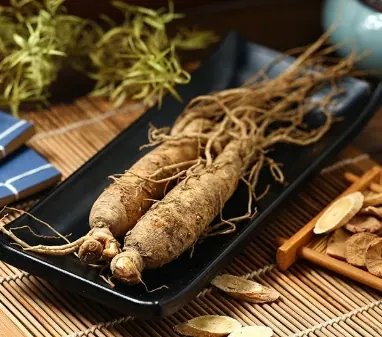
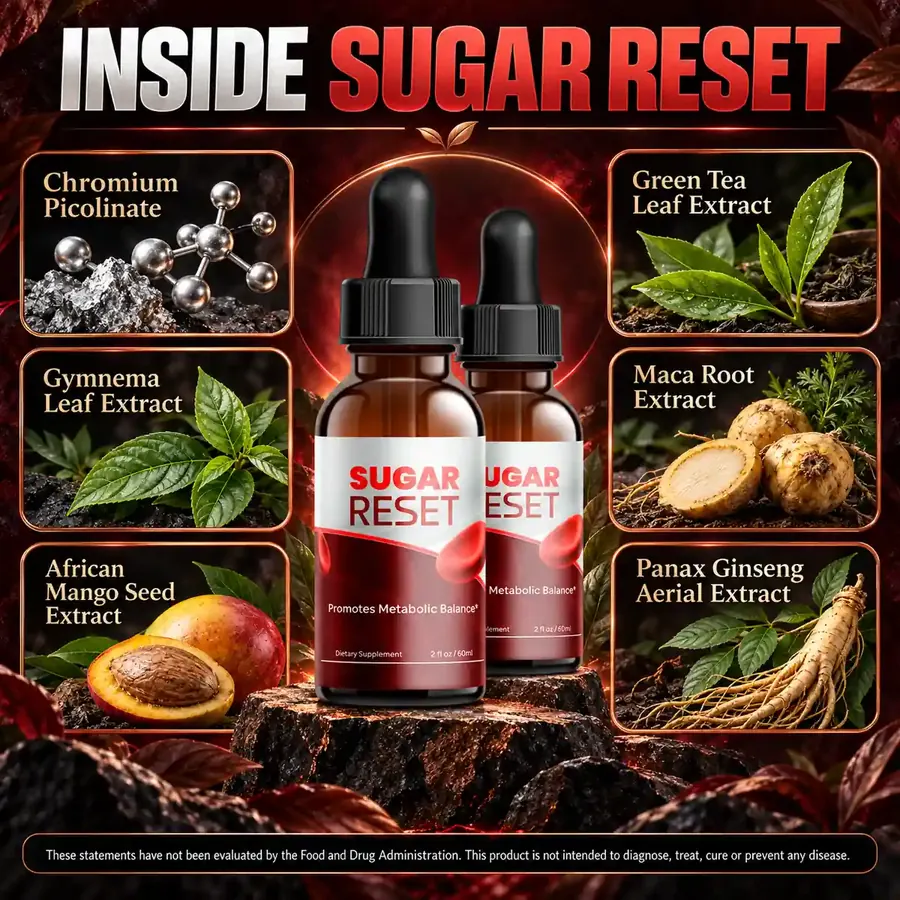
The sales page names "Panax Ginseng Aerial Extract" as one of six key ingredients, and the label lists exactly that (Sugar Reset sales page, October 2026). So the claim is accurate. The detail that matters is the plant part: the label says aerial, while the brand's ginseng image shows roots.
The label also lists "Eleutherococcus Senticosus Root Extract," sold as eleuthero or Siberian ginseng. It is a different plant from Panax ginseng, and the sales page does not mention it. See both among the full Sugar Reset ingredient list.
Profile
Panax ginseng leaf and eleuthero in Sugar Reset at a glance
| Label name | Panax Ginseng Aerial Extract, Eleutherococcus Senticosus Root Extract |
|---|---|
| What it is | Panax ginseng leaf and stem; Eleutherococcus senticosus root |
| Type | Ginseng plant parts |
| Position on the label | 12 and 5 of 22 in the blend (only Panax ginseng aerial is named on the sales page) |
| Amount per serving | Not printed (at most about 17 mg and 40 mg) |
| What research shows | Ginseng research is mostly on the root; leaf-stem blood sugar data are animal and test-tube only |
| Strength of evidence | Inconclusive; aerial parts barely studied in people |
| Why it is in the formula (brand view) | Panax ginseng aerial is named on the sales page; eleuthero is not |
| Main caution | Ginseng may affect blood clotting; eleuthero raised digoxin levels in a case report. Insomnia is common with ginseng. |
Blend math
How much ginseng is in Sugar Reset?
Neither amount is printed. Label order caps the ginseng leaf at about 17 mg and eleuthero at 40 mg per serving.
Both sit in the 200 mg proprietary blend, where ingredients are listed from heaviest to lightest (FDA, Labeling guide). An ingredient in place 12 can weigh at most a twelfth of the blend. One in place 5 can weigh at most a fifth.
| Ingredient | Plant part | Place in blend | Per 1 mL, at most | At 2 droppers, at most | On the sales page? |
|---|---|---|---|---|---|
| Panax ginseng aerial extract | Leaf and stem | 12 of 22 | about 17 mg | about 33 mg | Named |
| Eleuthero (Eleutherococcus senticosus) | Root | 5 of 22 | 40 mg | 80 mg | Never mentioned |
Eleuthero sits much higher on the list, so it can make up a larger share than the ginseng the sales page features. The real amounts of both could be far lower than these caps.
Leaf vs root
Is ginseng leaf extract the same as ginseng root?
No, though they share some chemistry. A review of ginseng leaf and stem found it contains many of the same active compounds, called ginsenosides, as the root (Wang et al., Chin Med 2009). Re and Rd are the main ones in the leaf. The amounts vary widely by season, location and plant age.
The bigger difference is the research. Most human studies of Asian ginseng, including those NCCIH summarizes, used the root (NCCIH, Asian ginseng). The leaf and stem review says few randomized, double-blind, placebo-controlled trials of leaf-stem extracts exist (Wang et al., Chin Med 2009). Its blood sugar findings came from diabetic mice and test tubes.
Root research cannot simply be borrowed for a leaf extract. When a product says "ginseng," check which part. Sugar Reset's label is clear: aerial.
Evidence
Does ginseng help with blood sugar?
For the root, the research is mixed. For the leaf in Sugar Reset, human data are missing.
NCCIH says some evidence suggests Asian ginseng might lower blood sugar, but research on blood sugar control in diabetes is inconclusive and conflicting (NCCIH, Asian ginseng). It advises people with diabetes to talk to their provider first. The 2026 ADA Standards say herb supplements are not recommended for blood sugar benefit (ADA, Standards of Care 2026).
- 4Guidelines and large trials
- 3Several trials
- 2Small human trials
- 1Lab and animal studies
- Sugar Reset's formulaNo trials found(FDA, Dietary supplements Q&A)
- Gymnema alone, full doseSmall trials, mild effects(LiverTox, Gymnema)
- Metformin (prescription)Large trial: 31% lower risk(NIDDK, DPP)
- Lifestyle programLarge trial: 58% lower risk(NIDDK, DPP) (CDC, National DPP)
Higher means stronger evidence for preventing or managing type 2 diabetes. Gymnema's small trials used far more than the at most 25 mg in a serving of Sugar Reset; no supplement was tested in the Diabetes Prevention Program.
Where does the Sugar Reset amount fit? There is no tested human dose of ginseng leaf to compare with, and a serving holds at most about 17 mg. No trial of Sugar Reset exists. What the sales page says about the formula, next to the evidence, is on the Sugar Reset claims and evidence page.
Try Sugar Reset, 1 or 2 droppers a day2, 3 or 6 bottles · free US shipping on 3 and 6 · 60-day guarantee
Order nowNever mentioned
What is eleuthero, and why is it in Sugar Reset?
Eleuthero is the root of Eleutherococcus senticosus, a shrub often sold as Siberian ginseng. It is not a true ginseng. The sales page does not mention it or explain its role, even though it sits fifth in the blend.
Memorial Sloan Kettering says human studies of eleuthero are quite limited, and more are needed to judge its usefulness and safety (MSKCC, Siberian ginseng). Lab data on its blood sugar effects conflict. The most specific flag involves digoxin, a heart medicine.
The 17 blend ingredients the sales page never names are listed on the label versus sales page breakdown.
Safety
What are the side effects of ginseng and eleuthero?
For most people, short-term Asian ginseng use of up to 6 months appears safe, and trouble sleeping is the most common side effect (NCCIH, Asian ginseng). A few points deserve attention before you start.
Blood clotting
NCCIH says ginseng may interfere with blood clotting (NCCIH, Asian ginseng). Mention it if you use any blood-thinning medicine.
Digoxin
Eleuthero raised digoxin levels in a case report and can skew digoxin blood tests (MSKCC, Siberian ginseng). Ask first if you take it.
Pregnant or nursing
Oral ginseng during pregnancy may be unsafe (NCCIH, Asian ginseng). The label also asks pregnant or nursing mothers to consult a physician.
Every caution for the full formula is on the side effects page.
All profiles
More Sugar Reset ingredient pages
Eight profiles cover all 23 actives and the other ingredients.
FAQ
Ginseng leaf and eleuthero in Sugar Reset: FAQ
What part of ginseng is in Sugar Reset?
The leaf and stem. The label lists Panax Ginseng Aerial Extract, and aerial means the parts that grow above ground. Most human ginseng research used the root, which is what the brand's ginseng photo shows. The label does not list ginseng root.
How much ginseng is in a serving of Sugar Reset?
At most about 17 mg of Panax ginseng aerial extract per 1 mL. It is twelfth in a 200 mg blend listed by weight, so it cannot exceed a twelfth of the blend. Eleuthero, fifth on the list, can be up to 40 mg.
Does ginseng leaf lower blood sugar in people?
That has not been shown. A review of ginseng leaf and stem says its blood sugar findings come from diabetic mice and test-tube work, and few controlled human trials exist. Even for ginseng root, NCCIH calls the blood sugar research inconclusive.
Is eleuthero the same as Panax ginseng?
No. Eleuthero, also called Siberian ginseng, comes from a different plant, Eleutherococcus senticosus. Sugar Reset contains both: Panax ginseng leaf and stem, named on the sales page, and eleuthero root, which the sales page never mentions.
Can ginseng cause insomnia?
Yes, it can. NCCIH says trouble sleeping is the most common side effect of Asian ginseng. Sugar Reset also contains guarana and green tea, which add caffeine, so taking it early in the day may help if your sleep is light.
Is it safe to take eleuthero with digoxin?
Ask your clinician first. Memorial Sloan Kettering reports a case where Siberian ginseng raised blood digoxin levels, and it can also cause falsely high digoxin test results. Sugar Reset lists eleuthero fifth in its blend, and the sales page does not mention it.
Why does the Sugar Reset ginseng picture show roots?
The image comes from the brand's photo set, and it pictures ginseng roots. The label itself lists aerial extract, meaning leaf and stem. When the two differ, go by the label.
Who wrote this
Written and reviewed by
Plain-language pages built from the label, the sales page and linked public health sources.
Last updated . See our editorial standards and how we check reviews. This website is run by Sugarresetdaily, a USA Authorized Sugar Reset Retailer, not by the manufacturer. Buying through our order links earns us money.
Keep reading
More about Sugar Reset
Ingredients
All 23 actives and 9 other ingredients, with a profile for each group and the most each blend ingredient could weigh.
Read more
Claims and evidence
The five benefit claims on the Sugar Reset sales page, each set beside the label and what research really shows.
Read more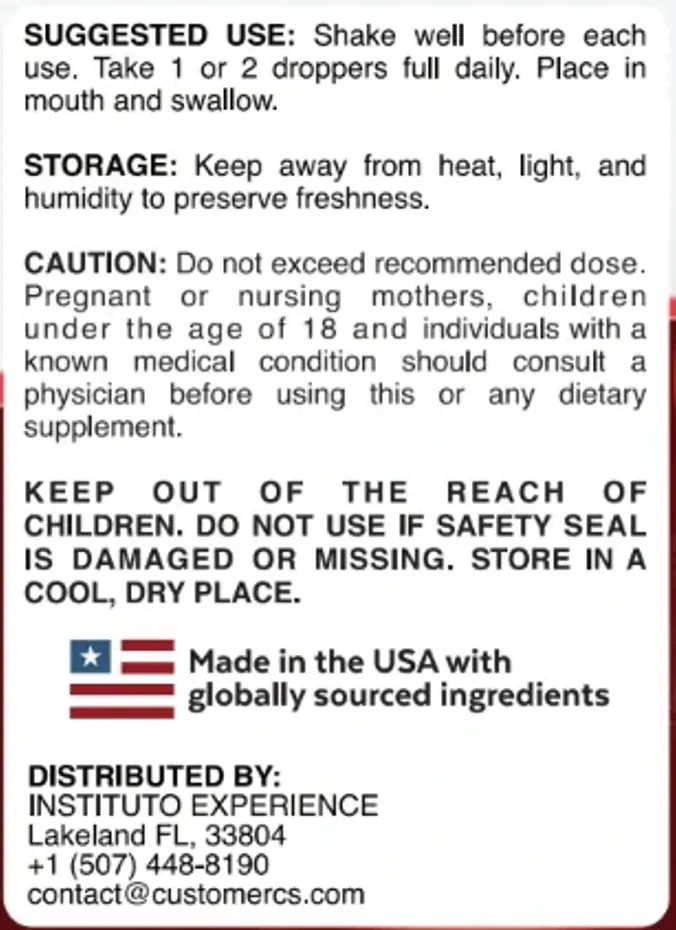
Side effects
Possible Sugar Reset side effects, ingredient by ingredient, plus the warning signs that mean you should stop.
Read moreUSA Authorized Sugar Reset Retailer
Ready to try Sugar Reset?
Pick a pack on the sales page. 1 or 2 droppers a day, 30 to 60 days per bottle. Guarantee: 60 days from purchase.
- Order on the sales page
- 60 days from purchase
- Label email: [email protected]