Know your numbers
A1C and Fasting Glucose Numbers Explained: Normal, Prediabetes and Diabetes Ranges
For adults who are not pregnant, an A1C under 5.7% and fasting glucose of 99 mg/dL or lower are normal. An A1C of 5.7% to 6.4% or fasting glucose of 100 to 125 mg/dL is prediabetes. An A1C of 6.5% or higher or fasting glucose of 126 or higher is in the diabetes range, usually confirmed by a second test.
Written by the Sugar Reset editorial teamUpdated · 8 min read
The A1C test
What is an A1C test?
An A1C is a blood test that reflects your average blood sugar over the past few months. It is reported as a percent.
Because it looks at a longer stretch, one big meal or one bad night does not swing it much. That makes it useful for spotting a trend. It is one of the main tests clinicians use to check for prediabetes and diabetes (NIDDK, Diabetes tests).
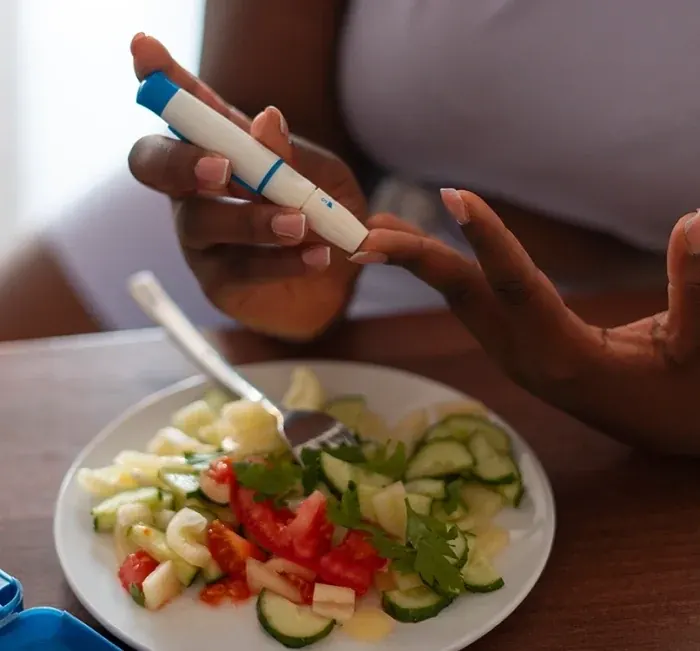
A home meter is different. It shows your blood sugar at the moment you prick your finger, in mg/dL. Both numbers matter, but they answer different questions.
Check a result
What are the normal, prediabetes and diabetes ranges?
Type an A1C or fasting result from a lab report to see where it falls.
| Result | Normal | Prediabetes | Diabetes range |
|---|---|---|---|
| A1C | Under 5.7% | 5.7% to 6.4% | 6.5% or higher |
| Fasting plasma glucose | 99 mg/dL or lower | 100 to 125 mg/dL | 126 mg/dL or higher |
Fasting glucose
What does a fasting glucose number mean?
It is your blood sugar after an overnight fast, measured in mg/dL. A result of 99 or lower is normal, 100 to 125 is prediabetes, and 126 or higher is in the diabetes range (NIDDK, Diabetes tests).
A single fasting reading is a snapshot of one morning. That is one reason clinicians look at more than one number, and often repeat the test before they name a range for you.
The ranges above are for lab tests. Ask your clinician how to read the numbers from a home meter.
Confirming
Does one high result mean you have diabetes?
Not on its own. Doctors usually confirm a result in the diabetes range with a second test (NIDDK, Diabetes tests). The repeat can be the same test on another day or a different test.
- First result
A lab A1C or fasting glucose comes back above normal.
- Second test
Your clinician repeats it to confirm the range.
- A plan
For prediabetes, that often starts with a lifestyle program, which cut the chance of type 2 diabetes by 58% in a large trial (NIDDK, DPP).
- Recheck
You test again on the schedule your clinician sets.
Our prediabetes guide covers the next steps in more detail.
Too low
What blood sugar number is too low?
For many people with diabetes, below 70 mg/dL is low. Symptoms include shakiness, hunger, dizziness, confusion, irritability, a fast heartbeat and headache. Severe lows can cause seizures or loss of consciousness (NIDDK, Hypoglycemia).
Insulin, sulfonylureas and meglitinides are the diabetes medicines most linked to lows (NIDDK, Hypoglycemia). The ADA warns that some supplement ingredients can intensify diabetes medicines (ADA, Vitamins and supplements). Read more in our post on supplements and low blood sugar.
A reading below 70 mg/dL with symptoms needs treatment at once, following the plan your care team gave you.
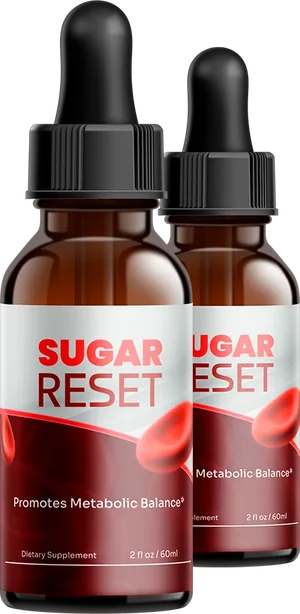
Try Sugar Reset, 1 or 2 droppers a day2, 3 or 6 bottles · free US shipping on 3 and 6 · 60-day guarantee
Order nowThe cutoffs
The five blood sugar cutoffs to remember
Sources: NIDDK (NIDDK, Diabetes tests) (NIDDK, Hypoglycemia).
Supplements
Can a supplement change your A1C or fasting glucose?
No supplement has strong evidence for it. The ADA says supplements are not proven as an effective way to lower blood glucose (ADA, Vitamins and supplements), and its 2026 Standards of Care do not recommend herb or chromium supplements for blood sugar (ADA, Standards of Care 2026).
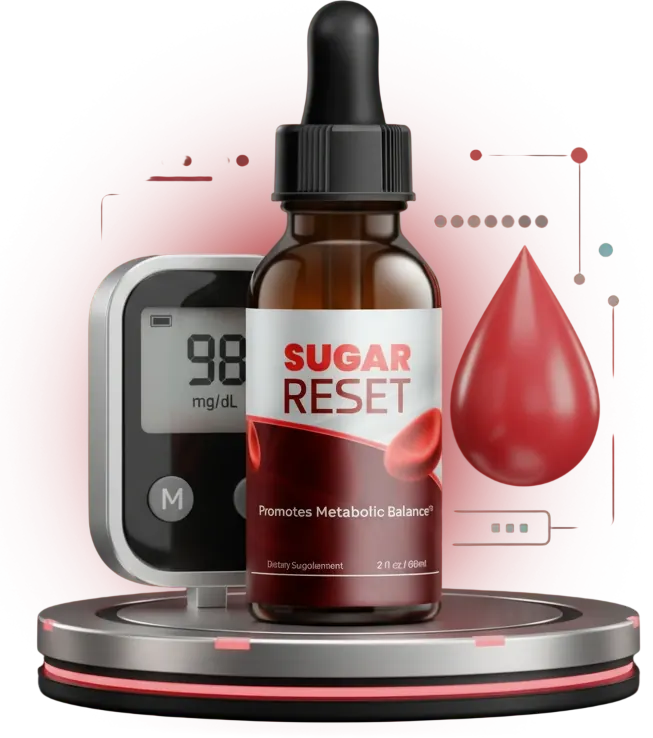
Chromium is the best-studied example. A 2019 review of 58 trials found slight changes in fasting glucose and HbA1c of unclear clinical meaning (NIH ODS, Chromium). Sugar Reset holds 0.7 mcg of chromium per serving, 2% of the Daily Value, and no study has measured its effect on any of these numbers. See the details in our post on chromium doses.
At your visit
What should you ask about your A1C and fasting results?
Which range am I in?
Ask for the number and the range, not just "a little high."
Do we need a second test?
Results in the diabetes range are usually confirmed (NIDDK, Diabetes tests).
Is there a program near me?
The CDC's yearlong program focuses on habits meant to last (CDC, National DPP).
What about my supplements?
Bring every bottle so your clinician can check them with your medicines.
Thinking about how long any change takes to show? Our results timeline explains what to expect from Sugar Reset, honestly.
FAQ
A1C and fasting glucose questions
What is a normal A1C for adults?
An A1C under 5.7% is normal for adults who are not pregnant. A result of 5.7% to 6.4% is in the prediabetes range, and 6.5% or higher is in the diabetes range. Doctors usually confirm a high result with a second test.
Is a fasting blood sugar of 105 bad?
A fasting plasma glucose of 105 mg/dL is in the prediabetes range, which runs from 100 to 125 mg/dL. It is a signal to talk with your clinician about a repeat test and a plan. A lifestyle program cut the chance of type 2 diabetes by 58% in a large trial.
Is an A1C of 6.0 prediabetes?
Yes. An A1C of 6.0% falls inside the prediabetes range of 5.7% to 6.4% for adults who are not pregnant. Your clinician may repeat the test and suggest lifestyle steps, which have the strongest evidence for lowering the chance of type 2 diabetes.
At what reading does low blood sugar need treatment?
For many people with diabetes, a reading below 70 mg/dL is low. Shakiness, hunger, dizziness, confusion or a fast heartbeat need treatment right away. Severe lows can lead to seizures or loss of consciousness, so follow your care team's plan.
What is the difference between A1C and fasting glucose?
An A1C reflects average blood sugar over the past few months and is reported as a percent. Fasting glucose is a single reading after an overnight fast, in mg/dL. Both are used to check for prediabetes and diabetes, with their own cutoffs.
Can Sugar Reset change my A1C?
No study shows that it can. Sugar Reset has no published trial, and the ADA does not recommend herb or chromium supplements for blood sugar. Keep testing on the schedule your clinician sets, and do not change any medicine on your own.
Who wrote this
Written and reviewed by
Plain-language pages built from the label, the sales page and linked public health sources.
Last updated . See our editorial standards and how we check reviews. This website is run by Sugarresetdaily, a USA Authorized Sugar Reset Retailer, not by the manufacturer. Buying through our order links earns us money.
Keep reading
More about Sugar Reset

Prediabetes guide
The prediabetes numbers, the habits with the strongest evidence, and an honest look at where supplements fit.
Read moreSupplements and diabetes medicines
Which diabetes medicines raise the risk of lows, which Sugar Reset ingredients matter, and what to ask first.
Read moreResults timeline
No promised results here: a week-by-week plan for what to check, what to watch for and when the refund window closes.
Read moreUSA Authorized Sugar Reset Retailer
Ready to try Sugar Reset?
Pick a pack on the sales page. 1 or 2 droppers a day, 30 to 60 days per bottle. Guarantee: 60 days from purchase.
- Order on the sales page
- 60 days from purchase
- Label email: [email protected]